Start with a cold draw
Before you light a cigar, take a gentle draw on the cut end. This is called a cold draw, and it gives you a first impression of the flavour and how easily air moves through the cigar.
You may notice hints of cocoa, hay, spice or sweetness. A very tight draw can suggest the cigar will be hard work, while a very loose one can burn hot. Neither is a verdict, but both are useful clues.
Follow the three stages
Many smokers describe a cigar in thirds. The first third is often the lightest, the middle third tends to build, and the final third can feel the richest or the most intense.
Not every cigar follows this pattern, which is part of the fun. Treat the thirds as a rough map, and note where your cigar surprises you.
Try retrohale, gently
Retrohale means letting a little smoke drift out through your nose as you exhale slowly. It brings out aroma that you may miss when you only taste on the tongue.
Go gently, because it can feel strong at first. Cigar smoke is never inhaled into the lungs, and you should stop if you feel unwell. Tobacco use carries serious health risks, and this blog is intended for adults 21 and over.
Words that help you describe flavour
You do not need a sommelier’s vocabulary. A handful of everyday words is enough, and they make your notes easier to compare.
- Woody. Cedar, oak, pencil shavings or toasted wood.
- Sweet. Cocoa, caramel, honey or dried fruit.
- Earthy. Leather, soil, tobacco leaf or mushroom.
- Spicy. Black pepper, cinnamon or nutmeg.
Keep a simple tasting note
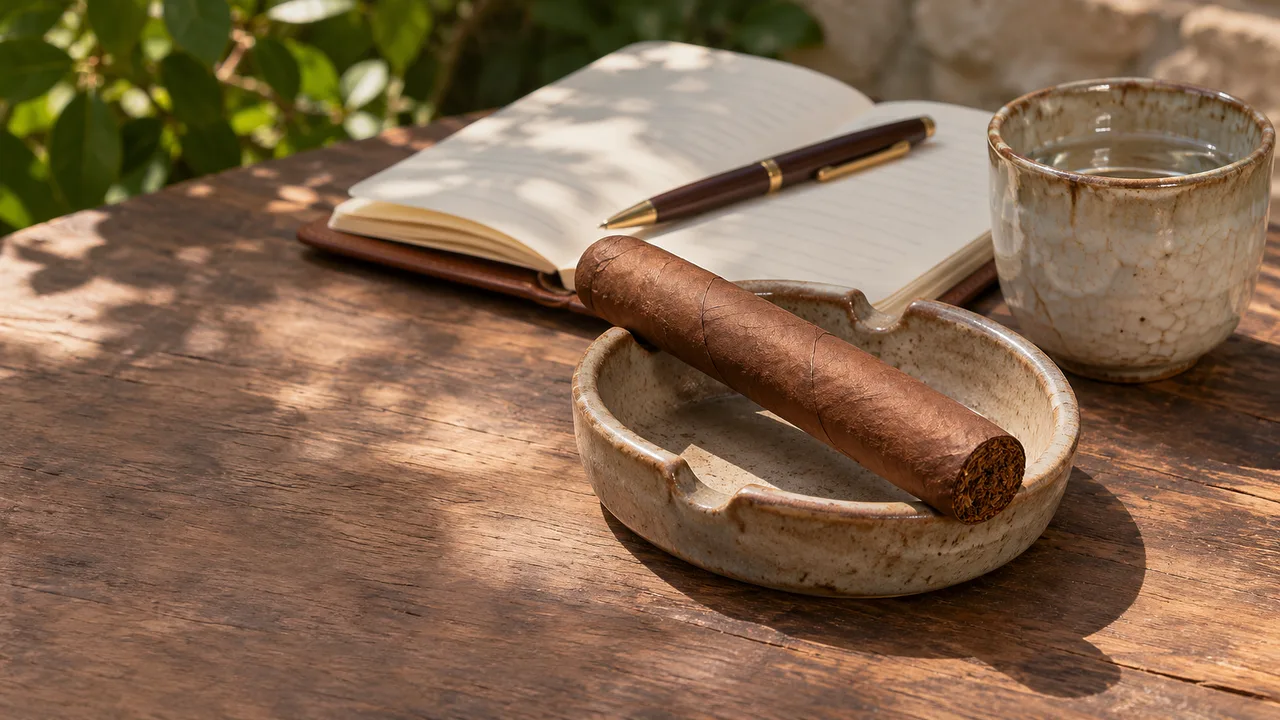
After each cigar, write the date, the cigar, how it burned and two or three flavour words. Add whether you would buy it again.
After a few weeks, your notes will show what you enjoy, and that makes every future purchase easier.
Keep exploring
Browse more articles, or go deeper with our guides and brand pages.
All Best Cigars articles